
When February arrives, dropping crisp air and fresh snow across the Berkshires, the region becomes a serious winter sports destination. This is a place for skiers, first-time riders, tubers, and anyone looking for quiet snow-covered woods. Options run from family-friendly downhill skiing and snowboarding to tubing, cross-country skiing, and winter hiking. February is typically the most reliable window, with downhill operations usually running through mid-March, conditions permitting.
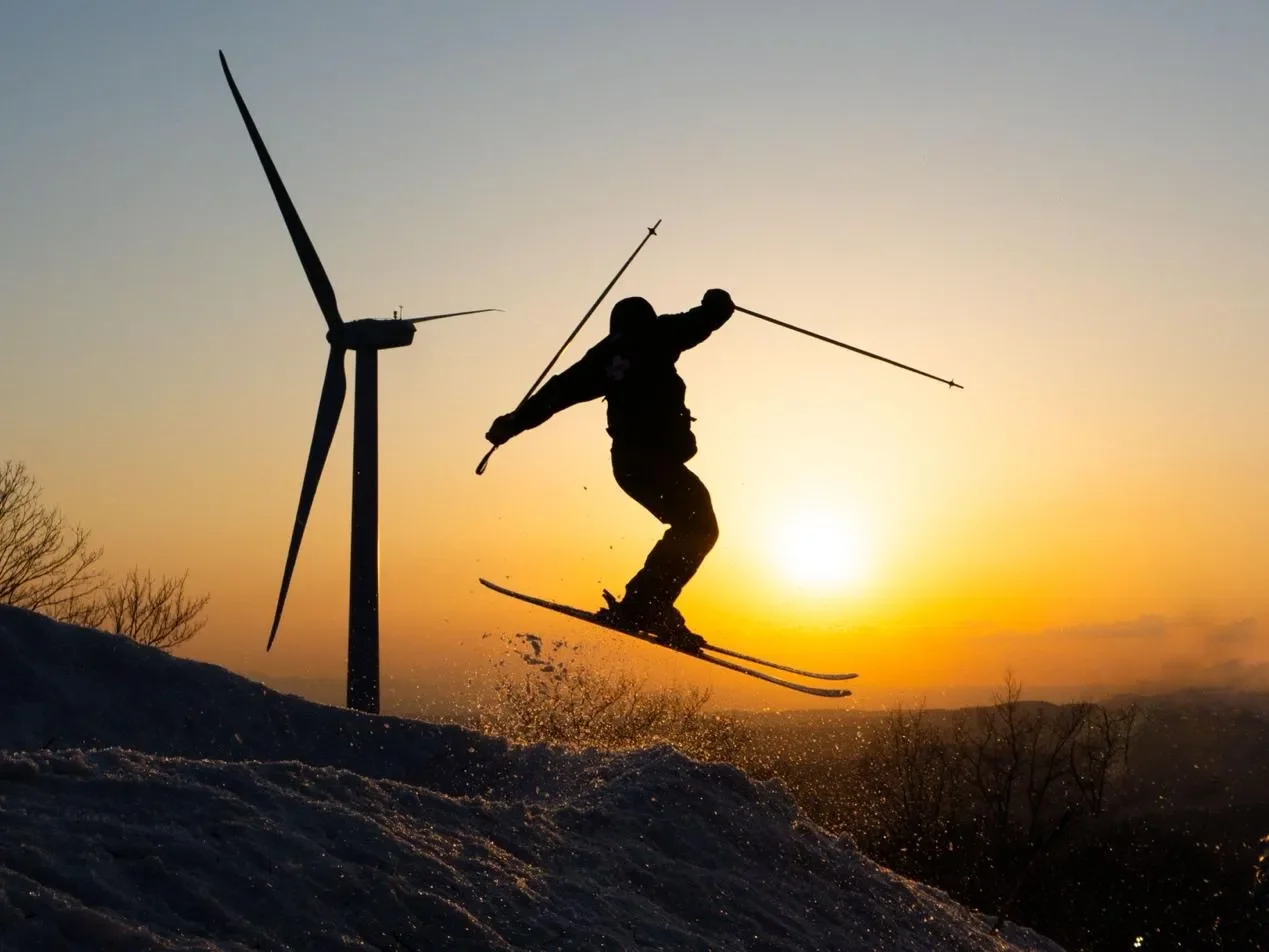
Five downhill mountains, and nights under the lights
For downhill days, the region’s five cornerstone ski areas are Berkshire East Ski Area, Bousquet Mountain, Catamount Mountain Resort, Jiminy Peak Mountain Resort, and Ski Butternut. Each mountain has a distinct personality. Night skiing is part of the local winter habit and a practical way to turn a day trip into an evening out. Bousquet has a history dating back to 1936, when floodlights were first installed, and that after-dark tradition continues. Catamount and Jiminy Peak also offer extensive night-skiing options. Ski Butternut has added a new Skytrac lift, Jane’s Quad, for the 2026 season. Jiminy Peak is widely recognized as the state’s largest ski area and is a natural anchor for visitors who want a resort-scale day on the snow.
Winter sports here are not limited to confident downhill skiers. Tubing and learn-to-ski programs are part of the usual winter offering. Berkshire East pairs downhill skiing, snowboarding, and tubing with lessons and youth programs, which makes it a practical family destination.
Days that do not need a chairlift
Not every winter day requires a lift ticket. Cross-country skiers and snowshoers can use groomed trails at places such as Notchview Reservation and Maple Corner Farm. Other spots include Hilltop Orchards, which is also home to JMash Cidery and Furnace Brook Winery, and Greylock Glen, where the Greylock Glen Center offers a place to warm up and learn more about the area.
The Berkshires sit less than three hours from New York City and Boston. The surrounding mountains support outdoor trips in every season, and the towns add a cultural calendar, a rooted food scene, and a range of lodging in a rural setting. That mix is what sets the region apart from a ski hill that offers only a lift and a lodge.
Check regional ski conditions before you leave, and plan around the actual mountain openings rather than assuming every hill is fully open in early or late season. A weekend or a school break is easier to plan once you know which of the five downhill areas, and which of the Nordic trails, are actually running that week.