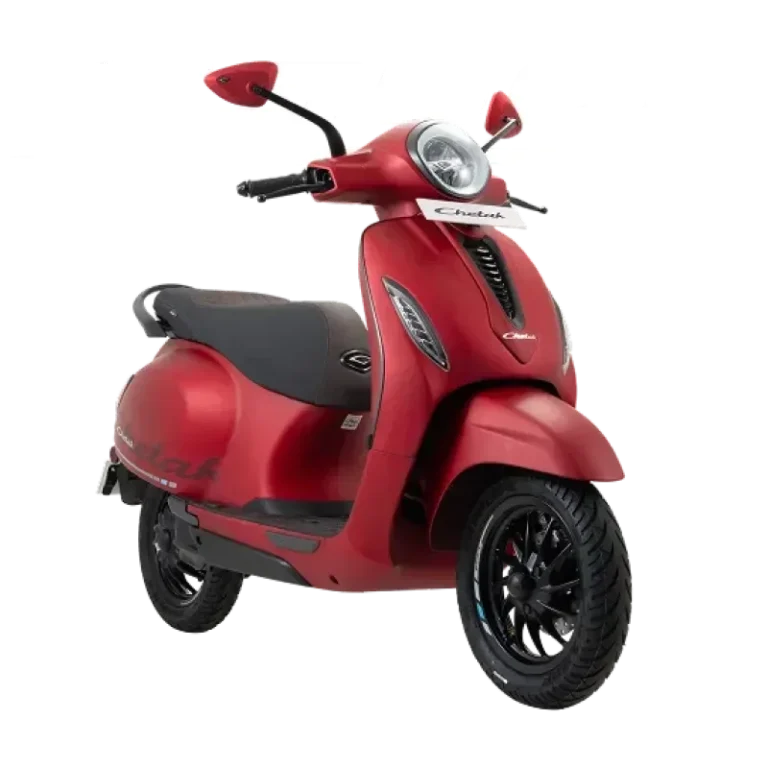

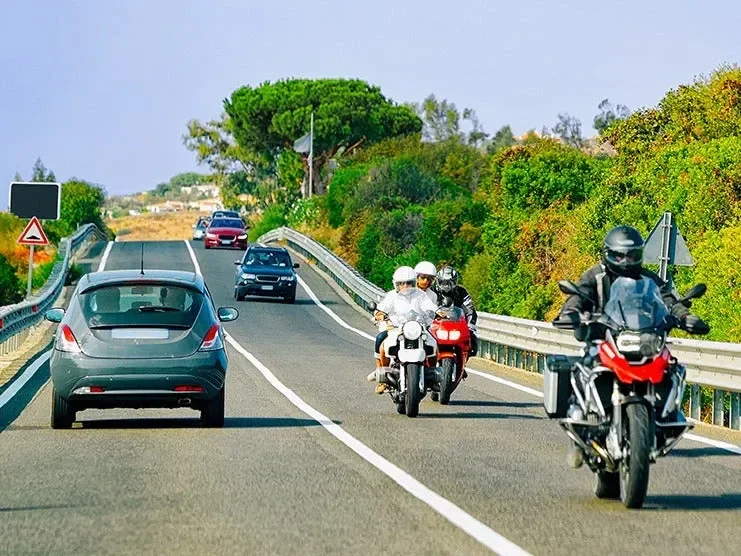
 Ask ten Houston residents how they get to work and you’ll get ten different answers. Some sit in the same lane of Interstate 10 every morning with the air conditioning on and a podcast playing. Others weave through the same corridor on two wheels, helmet strapped on, just glad to be moving while traffic stalls.
Neither choice is wrong, but each comes with real trade-offs in comfort, cost, travel time and risk. This piece compares cars and motorcycles for a typical Houston commute, so you can decide which fits your routine, or whether a mix of both makes the most sense.
|
Car |
Motorcycle |
|
Weather: Climate-controlled cabin; reliable in any weather and shielded from downpours that appear out of nowhere |
Weather: Open-air, with no glass between you and the surroundings; summer heat and rain mean protective gear and extra planning |
|
Fuel and upkeep: Uses more fuel than most motorcycles |
Fuel and upkeep: Most motorcycles use far less fuel than the average passenger car, and smaller tires, lighter frames and simpler engines can mean lower maintenance bills; insurance, registration, gear and training still cost money |
|
Parking: Circling a downtown garage hunting for a space is a familiar frustration |
Parking: Takes up a fraction of the room of a sedan; many riders can park closer to building entrances, and some office buildings offer discounted motorcycle spots |
|
Traffic: A drive that looks like thirty-five minutes on a map app can stretch to ninety |
Traffic: Easier to position in congested lanes, but Texas law prohibits lane splitting between stopped cars, so a bike will not get you around gridlock |
|
Safety: A steel cage, crumple zones, seat belts and airbags built to absorb impact |
Safety: The rider is the safety system, backed by a certified helmet and protective clothing; motorcycles are harder for distracted drivers to spot, and injuries tend to be more severe |
|
Everyday use: Familiar, predictable and able to handle mixed errands; a private space to decompress |
Everyday use: For many riders the commute is the best part of the day, a mental reset that bookends the workday |
Why Houston is a hard commute
Houston is one of the most spread-out major metro areas in the country. There’s no single downtown core where everyone works. Jobs are scattered across the Energy Corridor, the Texas Medical Center, Greenway Plaza, the Galleria district and the Port of Houston, and plenty of people live twenty, thirty or even forty miles from their workplace.
That means long drives on freeways like the Katy Freeway, the Southwest Freeway, the 610 Loop and Beltway 8. Add toll roads, constant construction and the occasional stalled 18-wheeler, and a drive that looks like thirty-five minutes on a map app can stretch to ninety. Habits have changed too: remote and hybrid schedules mean many professionals make the trip only a few times a week, which changes how often they commute and which vehicle suits them.
The climate adds another layer. Summers bring blistering heat and heavy humidity, while spring storms can dump inches of rain in minutes and turn underpasses into lakes. Whatever you choose has to cope with that day after day.
The case for the car
The standard car remains the default for most commuters, for sensible reasons. It’s familiar, reliable in any weather and fits the demands of modern life.
When the temperature climbs past ninety-eight degrees with oppressive humidity, a climate-controlled cabin is a necessity, not a luxury. A car gets you to the office dry and presentable, shielded from downpours that appear out of nowhere. There’s also the comfort of a proper seat, cup holders and your own audio. For people who use the drive to decompress or switch between work and home, a car is a private space an open-air motorcycle can’t match.
Life also rarely allows a straight trip from home to the office and back. A parent might drop kids at school, stop at the supermarket and head to a morning briefing. A contractor hauls tools; a healthcare worker may carry several bags and a change of shoes. A car handles those mixed errands without much planning, and for many households that versatility outweighs everything else.
Driving a car is also predictable. Most adults have years of experience, so the controls, the rules and the reflexes are second nature, which lowers stress over a long, tiring workday.
The case for the motorcycle
Motorcycle commuters are a much smaller, dedicated group. Ask why they choose two wheels and the answers usually come down to three things: economy, urban convenience and the sheer enjoyment of riding.
Most motorcycles use far less fuel than the average passenger car, and that adds up when you cover long distances every week. Smaller tires, lighter frames and simpler engines can also mean lower maintenance bills, depending on the make and model. Insurance, state registration, protective gear and required training all carry their own costs, though, so a motorcycle isn’t automatically cheaper. Still, daily riders often find the monthly numbers work out in their favor.
Anyone who has circled a downtown garage hunting for a space knows the frustration. A motorcycle takes up a fraction of the room of a sedan, many riders can park closer to building entrances, and some office buildings offer discounted motorcycle spots. Texas law prohibits lane splitting between stopped cars, so a bike won’t get you around gridlock. Even so, it’s easier to position in congested lanes and needs very little space once you arrive.
For many riders, the commute is the best part of the day. There’s no glass between you and the surroundings. You feel the morning air, hear the engine and pay much closer attention to the road. Many describe it as a mental reset that bookends the workday. That’s hard to put on a spreadsheet, but it explains why people put up with summer heat, protective gear and extra planning.
Safety
Safety is where the two options diverge most. A car surrounds you with a steel cage, crumple zones, seat belts and airbags built to absorb impact. A motorcycle has none of that. The rider is the safety system, backed by a certified helmet, protective clothing and sharp defensive instincts.
Choosing a motorcycle doesn’t mean being reckless. Many experienced riders take advanced training, wear full armored gear and ride defensively. Texas has specific helmet rules based on age and insurance coverage, and a rider who complies and stays visible has a much better chance of getting home unharmed.
Even with every precaution, motorcycles are harder for distracted drivers to spot. A driver who checks a mirror, glances at a phone or rushes a left turn across a lane can miss an oncoming bike entirely. These mistakes happen often on fast urban freeways, and the rider usually pays the price. Motorcycle injuries also tend to be more severe and can mean long rehabilitation. That has to be weighed honestly whichever side you lean toward.
Drivers share responsibility here. If you commute by car, double-check your blind spots, keep a generous following distance and watch for smaller vehicles. It makes the road safer for everyone.
Which one is right for you?
There’s no universal winner. The best choice depends on your route, schedule, work requirements and tolerance for risk. A few questions can help:
- How many miles do you travel each day, and on what kinds of roads?
- Do you regularly need to carry passengers, tools or bulky groceries?
- Can you handle intense heat, torrential rain and strong wind on a regular basis, unprotected?
- Do you have the money and time for proper training and quality protective gear?
- How badly would a serious injury affect your job, finances and family?
Be honest about that last one. It’s easy to focus on fuel savings and overlook the bigger picture. A commute you enjoy is only a good choice if you can do it safely day after day.
If you’re leaning toward a motorcycle, start small. Take a certified rider training course, practice basic handling in empty lots and build up to freeways over several months. Buy a properly fitting helmet and armored riding gear, and replace them as soon as they show wear.
You don’t have to choose just one
Many residents keep a reliable car for rainy days, road trips and family errands and ride a motorcycle when the forecast is clear and the schedule is simple. Others drive during the work week and save the bike for weekend rides. Splitting mileage and wear across two machines gives you flexibility: if a thunderstorm rolls in, you drive; if the morning is crisp and traffic looks light, you ride. Owning and insuring two vehicles costs more, but it offers adaptability a one-vehicle household rarely has.
Workplace flexibility matters too. Remote and hybrid work has cut the number of commuting days for many professionals. If you only go into the office two or three times a week, the math changes, and a motorcycle can be a fun, efficient choice for a shorter, less frequent trip.
The bottom line
Cars and motorcycles both have a place on Houston roads. Cars offer climate-controlled comfort, cargo space and solid protection from weather and other drivers. Motorcycles offer great fuel economy, easy parking and a riding experience many enthusiasts love. A few principles to keep in mind:
- Match your vehicle to your real everyday commute, not a perfect-weather ideal.
- Calculate the total cost of ownership, including insurance, gear, maintenance and training.
- Give safety real weight whether you’re behind the wheel or on the handlebars.
- Consider keeping both if your budget and storage allow.
- Know the basic emergency steps and legal resources after a collision before you need them.
Whichever you choose, stay alert, follow the shared rules of the road and give every other driver and rider the courtesy, patience and space you’d want for yourself.