
Tanzania offers some of the most celebrated wildlife spectacles on earth, from the boundless golden plains of the Serengeti to the dense predator populations within the Ngorongoro Crater. However, navigating the logistics and financial commitments of an East African expedition requires realistic budgeting before booking flights.
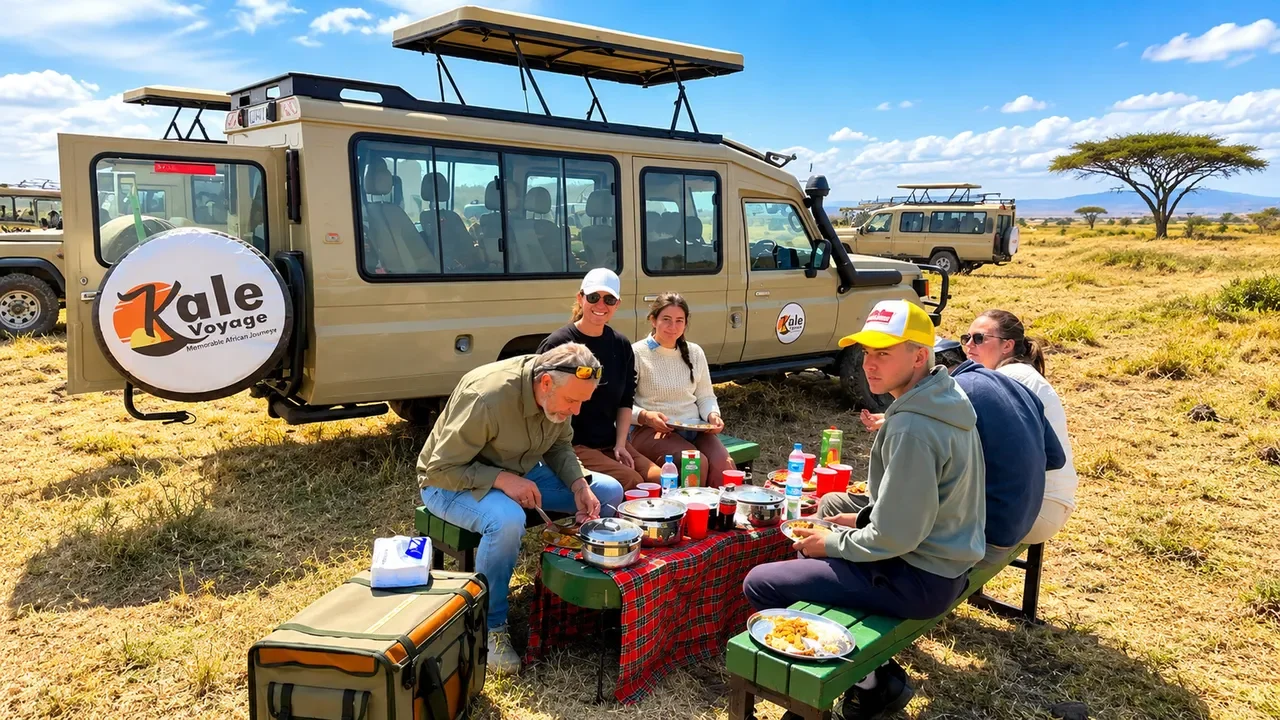
The total cost of a Tanzanian safari is determined by several core variables: accommodation standards, private versus shared vehicle hire, seasonal demand, and mandatory national park conservation tariffs. With a structured seven-day northern circuit itinerary, travelers can experience premier game reserves while maintaining clear control over their overall travel expenditure.
Safari Cost Tiers: Budget vs. Midrange vs. Luxury
Tanzanian safaris fall into three primary service tiers. Costs vary depending on whether travelers join an open group or reserve a private vehicle with a dedicated driver-guide:
| Safari Tier | Typical Cost (Per Person / Day) | 7-Day Total Estimate | Accommodation Style | Transport & Experience |
| Budget Camping | $215 – $315 | $1,500 – $2,200 | Public campsites, dome tents, shared facilities | Shared 4×4 pop-up vehicle, dedicated camp cook |
| Midrange | $350 – $570 | $2,500 – $4,000 | Tented safari camps, en-suite safari lodges | Shared or private 4×4 Land Cruiser, full board |
| Luxury / Premium | $750 – $1,500+ | $5,000 – $10,000+ | Exclusive permanent lodges, luxury fly-camps | Private custom vehicle, private airstrip transfers |
Note: Estimates represent ground costs per person sharing a double room/tent and exclude international airfare.
The 7-Day Northern Circuit Itinerary Breakdown
The northern safari circuit represents Tanzania’s most cost-effective and wildlife-dense route, connecting Arusha with Tarangire, the Serengeti, and the Ngorongoro Conservation Area.
Day 1: Arrival in Arusha
Most northern circuit expeditions stage out of Arusha, accessible via Kilimanjaro International Airport (JRO). Day one is typically reserved for airport transfers, orientation with your safari director, and vehicle equipment checks.
-
Lodging Estimate: $50 – $120 for a reliable midrange guesthouse in Arusha.
-
Key Budget Items: Airport road transfers ($40–$60 per vehicle) and dinner.
Day 2: Tarangire National Park
Depart Arusha for Tarangire National Park, celebrated for its ancient baobab trees and massive seasonal elephant herds along the Tarangire River.
-
Park Entry Fee: ~$59 per adult (peak season).
-
Game Viewing Highlights: Elephants, lions, giraffes, zebras, and seasonal migratory herbivores.
-
Accommodation: Tented camp or lodge outside park gates near Mto wa Mbu (lowers overnight concession fees).
Day 3: Transit to Central Serengeti (Seronera)
Ascend the Great Rift Valley escarpment and traverse the Ngorongoro Highlands into the expansive southern and central plains of the Serengeti.
-
Key Budget Items: Serengeti national park entry fees (~$82.60 per adult/day in high season) plus transit fees across the Ngorongoro Conservation Area (~$70.80 per adult).
-
Logistics Note: Expect a 5- to 7-hour transit drive punctuated by game viewing en route.
Day 4: Full-Day Game Drives in Serengeti National Park
Dedicate a full day to tracking resident big cats (lions, leopards, cheetahs) and immense herds of herbivores across the Seronera River Valley.
-
Cost Strategy: Staying at permanent canvas tented camps inside the reserve provides immersion but incurs a government bed night/concession fee (~$59–$70.80 per adult per night) in addition to park entrance fees.
Day 5: Central Serengeti to Karatu
Conduct a final early morning game drive in the Serengeti during prime predator-hunting hours before traveling southeast toward the crater rim.
-
Cost-Saving Strategy: Rather than paying high nightly premiums at lodges located directly on the Ngorongoro Crater rim, drive one hour further to Karatu. Lodges in Karatu offer substantially lower nightly room rates and avoid crater concession surcharges.
Day 6: Ngorongoro Crater Expedition
Descend 2,000 feet into the UNESCO-listed Ngorongoro caldera for morning and afternoon game drives across the crater floor.
-
Crater Vehicle Descent Fee: Fixed at ~$295 per vehicle per descent (split among passengers).
-
Conservation Entrance Fee: ~$70.80 per adult.
-
Wildlife Encounters: High probability of observing endangered black rhinos, hippos, hyenas, and large lion prides.
Day 7: Return to Arusha and Departure
Enjoy a relaxed breakfast before making the two-hour paved return drive to Arusha for outbound flights or onward connections to Zanzibar.
Estimated 7-Day Midrange Expense Breakdown
For an independent traveler booking a shared, mid-tier 4×4 safari with three to four other passengers, average ground costs typically distribute as follows:
-
Accommodations & Full Board Meals (6 Nights): $700 – $1,200
-
Transport, Fuel & Professional Driver-Guide: $600 – $900
-
Government Park Entry, Transit & Concession Fees: $550 – $950
-
Ngorongoro Crater Service Permit (Shared Vehicle Fee): ~$60 – $100 per person
-
Total Estimated Ground Budget: $1,910 – $3,150 per person
Additional Costs Often Omitted from Quotes
When reviewing safari operator proposals, verify whether the following recurring out-of-pocket expenses are included:
-
Crew Gratuities: Tipping is customary across East Africa. Plan for $15–$20 per day for your driver-guide (split among the group) and $10–$15 per day for general lodge/camp staff pools.
-
Entry Visas: Most international visitors require a single-entry tourist visa ($50 for most nationalities; $100 for U.S. passport holders).
-
Medical Evacuation Coverage: Ensure your operator includes AMREF Flying Doctors emergency airlift coverage (frequently added for $20–$30 per person).
-
Beverages & Laundry: Safari lodges often include purified drinking water in vehicles, while specialty coffees, sodas, and alcoholic beverages are billed separately at checkout.
Practical Planning Takeaways
Securing the best value on a Tanzanian wildlife safari comes down to timing, group composition, and accommodation geography. Traveling during the shoulder seasons (such as late May, June, or November) yields lower room rates and reduced park congestion compared to peak July-August safari months.
By prioritizing quality 4×4 vehicles and experienced naturalist guides over five-star luxury suites, travelers can experience an extraordinary wildlife expedition while staying strictly within their target budget.