
Switzerland packs some of Europe’s most dramatic topography into a compact, meticulously connected geographic area. Bordered by five nations and defined by the collision of French, German, and Italian cultural spheres, the Swiss Confederation balances pristine alpine wilderness with precision infrastructure. Visitors can ascend glaciated peaks via cogwheel trains in the morning, cross world-renowned mountain passes by afternoon, and dine along sub-tropical, palm-lined lakefronts by nightfall.
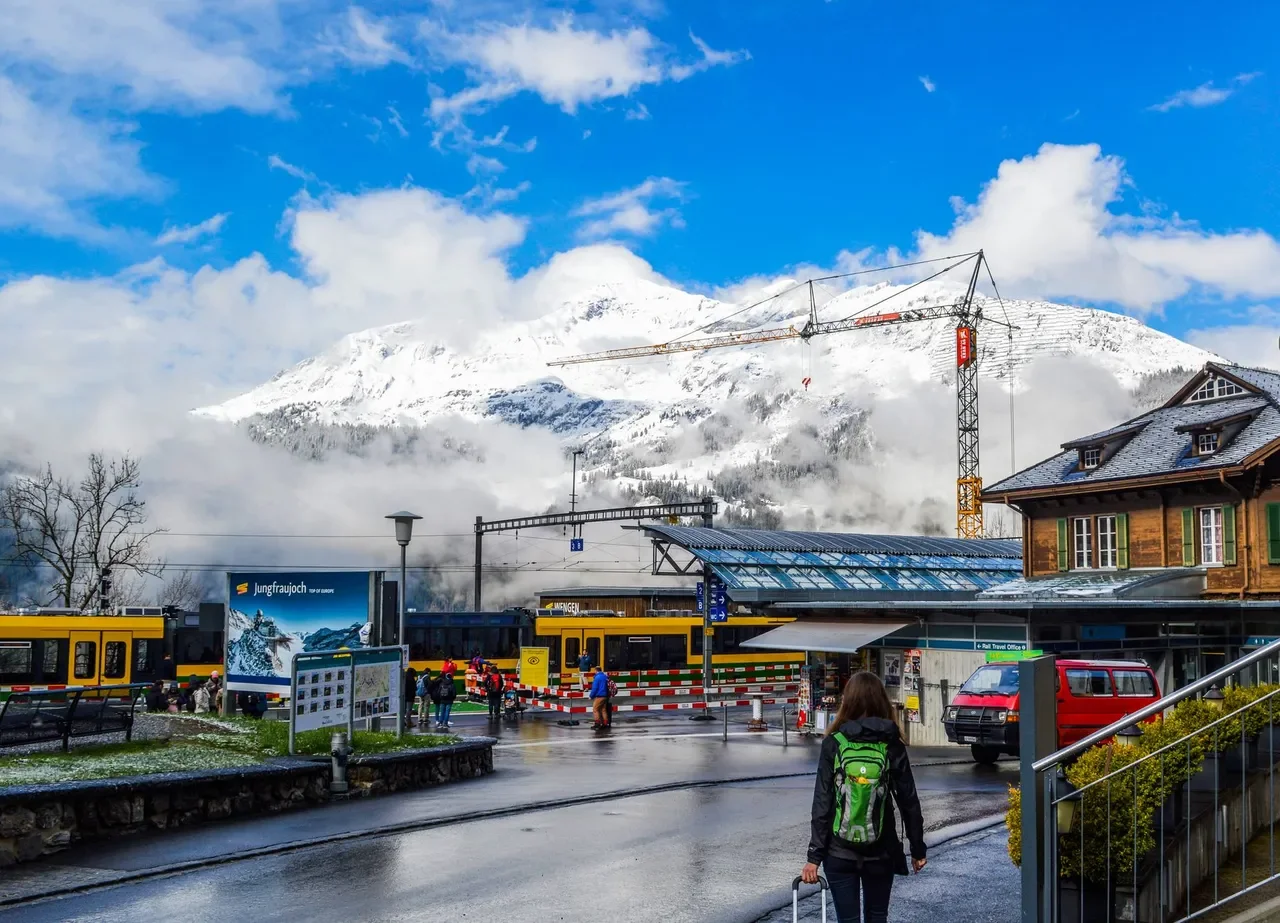
Planning an itinerary through Switzerland requires understanding how its regional transit networks, distinct mountain regions, and microclimates operate together. Whether you are navigating technical backcountry trails, boarding luxury panoramic trains, or exploring historic urban quarters, pairing sound rail logistics with regional seasonal awareness ensures an efficient, immersive journey.
Regional Logistics Matrix: Transit, Highlights & Seasonal Windows
| Region | Primary Hubs | Core Mountain & Lake Excursions | Ideal Transit Method | Optimal Travel Season |
| Bernese Oberland | Interlaken, Lauterbrunnen, Grindelwald | Jungfraujoch, Schilthorn, Lake Thun & Lake Brienz cruises | Bernese Oberland Pass; local cogwheel railways & cableways | June – September (Hiking); December – March (Winter Sports) |
| Valais (Wallis) | Zermatt, Brig | Matterhorn Glacier Paradise, Gornergrat Bahn, Sunnegga | Car-free zone; Matterhorn Gotthard Bahn cogwheel rail | July – September (Trekking); Late November – April (Skiing) |
| Central Switzerland | Lucerne, Weggis | Mount Pilatus (steepest cogwheel), Mount Rigi, Lake Lucerne paddle steamers | Tell-Pass; Lake Lucerne historic steamship fleet & funiculars | May – October (Sightseeing & Lake Cruises) |
| Lake Geneva (Vaud & Riviera) | Geneva, Lausanne, Montreux | Lavaux Vineyard Terraces (UNESCO), Chillon Castle, Rochers-de-Naye | SBB mainline trains; CGN heritage paddlewheel boats | April – June & September – October (Wine harvests & shoulder season) |
| Graubünden & The Engadin | St. Moritz, Chur, Pontresina | Bernina Pass, Diavolezza, Swiss National Park | Glacier Express & Bernina Express panoramic rail networks | Year-Round (Luxury winter sports & summer high-alpine hiking) |
Navigating the Swiss Alps: Hubs and High-Altitude Engineering
Switzerland’s alpine infrastructure is an engineering feat, allowing visitors to access glaciated peaks without personal motor vehicles:
-
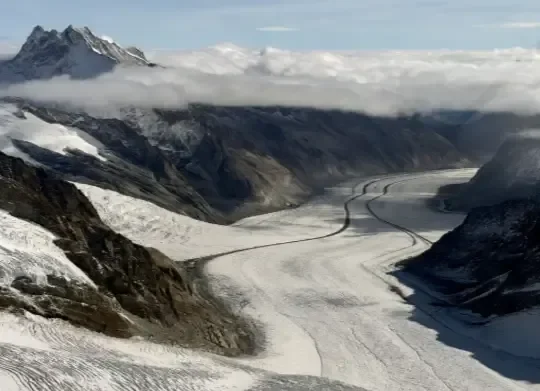
The Bernese Oberland and Jungfrau Region: Centered around Interlaken, this region serves as the adventure heart of the country. Lauterbrunnen’s glacial U-shaped valley features 72 waterfalls cascading over sheer limestone cliffs. From Grindelwald, the Eiger Express tricable gondola cuts transit time to the Eigergletscher station, connecting directly to the Jungfraujoch cogwheel railway that tunnels through the Eiger and Mönch to arrive at Europe’s highest railway station ($11,332\text{ feet}$).
-
Zermatt and the Matterhorn: Closed to combustion-engine vehicles, Zermatt preserves clean mountain air and quiet streets lined with preserved Valaisian timber chalets. The Gornergrat Bahn—Europe’s oldest electrified cogwheel railway—climbs open ridge-lines to provide panoramic views of the iconic pyramidal Matterhorn and the Gorner Glacier.
-
Central Switzerland via Lucerne: Ringed by Mount Pilatus, Mount Rigi, and the Stanserhorn, Lucerne bridges historic architecture with immediate alpine access. Mount Pilatus features the world’s steepest cogwheel railway, operating at an intense 48 percent maximum gradient, while the open-air CabriO double-decker cable car serves the summit of Stanserhorn.
Cultural Hubs and Historic City Quarters
Beyond the high-alpine peaks, Switzerland’s cities feature well-preserved medieval centers, world-class museums, and refined culinary scenes:
-
Zurich: As the nation’s commercial and artistic capital, Zurich blends banking institutions with vibrant cultural districts. The pedestrian-only Altstadt (Old Town) lines both banks of the Limmat River, while the industrial Zurich West district houses contemporary art galleries, repurposed shipping-container retail spaces, and farm-to-table dining.
-
Geneva: Nestled on the western tip of Lake Geneva, this international diplomacy center hosts the European headquarters of the United Nations and the International Red Cross. The city features the famous Jet d’Eau water fountain, tranquil English gardens, and immediate access to the terraced vineyards of the surrounding canton.
-
Lucerne: Dominated by the fourteenth-century wooden Chapel Bridge (Kapellbrücke) and the Water Tower, Lucerne serves as an open-air architectural museum. Its car-free Old Town is renowned for fresco-covered historic facades and immediate access to Lake Lucerne’s historic steamship fleet.
Panoramic Rail Journeys: Luxury Across the Passes
Switzerland’s scenic rail routes turn transit into an immersive sightseeing experience:
[ Zermatt (Valais) ] ──► [ Glacier Express: 291 Bridges & 91 Tunnels ] ──► [ St. Moritz (Engadin) ]
                                              │
[ Chur / Landquart ] ──► [ Bernina Express: UNESCO Albula/Bernina Line ] ──► [ Tirano (Italy) ]
-
The Glacier Express: Connecting Zermatt to St. Moritz, this eight-hour journey traverses 291 bridges, navigates 91 tunnels, and climbs over the Oberalp Pass ($6,706\text{ feet}$). Floor-to-ceiling glass panoramic cars and multi-course meals served at travelers’ seats make it a benchmark of luxury alpine travel.
-
The Bernina Express: Running from Chur over the Bernina Pass into Tirano, Italy, this route is one of only three railways in the world designated as a UNESCO World Heritage site. It negotiates the dramatic circular Landwasser Viaduct and the open spirals of the Brusio loop without rack-and-pinion gear assistance.
-
The GoldenPass Express: Connecting Interlaken to Montreux, this train uses variable-gauge bogies that switch between narrow-gauge mountain tracks and standard-gauge mainline tracks, transitioning passengers from alpine peaks to lakeside vineyards without requiring a train transfer.
Seasonal Planning: Matching Activities to Climate Windows
Choosing when to visit Switzerland depends on specific outdoor and cultural goals:
-
Summer (June through August): High-altitude trails ($6,000+\text{ feet}$) clear of snow by late June, opening high-alpine hut-to-hut trekking, mountain biking, and lake swimming. Summer experiences high daylight hours but brings peak crowd volumes and maximum lodging rates.
-
Autumn Shoulder (September through October): Stable weather, crisp mountain air, and dramatic autumn foliage make early fall ideal for hiking and wine tasting throughout the Lavaux terraces. Tourist traffic tapers off significantly, though mountain railways begin reduced maintenance schedules by late October.
-
Winter (December through March): Winter sports reign across premier resorts like Verbier, Zermatt, and St. Moritz. Advanced snowmaking and high-elevation glacier skiing provide reliable conditions for skiing, sledding, snowshoeing, and evenings in alpine thermal spas.
-
Spring (April through May): Low valleys blossom with wildflowers, and lower lake routes reopen. However, high-elevation alpine passes and trekking routes remain blocked by snow, and several cable car operations close temporarily for seasonal overhauls.
Practical Travel and Transit Regulations
A smooth journey across Switzerland requires navigating standard transport and financial systems:
-
The Swiss Travel Pass Advantage: For multi-city journeys, the all-in-one Swiss Travel Pass provides unlimited travel across the national rail network (SBB), post buses, city tram systems, and public passenger lake boats. It also includes free admission to over 500 museums nationwide and grants significant discounts (typically 25 to 50 percent) on mountain cogwheel trains and summit cableways.
-
Seat Reservations vs. Open Seating: Regular domestic trains do not require seat reservations; passengers with a valid ticket or pass simply step aboard and take any open seat in their class. However, premium panoramic trains (Glacier Express, Bernina Express) require mandatory, paid seat reservations made weeks or months in advance.
-
Currency and Electronic Payments: Switzerland uses the Swiss Franc (CHF), not the Euro. Contactless card payments and mobile digital wallets are accepted almost universally, from high-end boutiques to remote mountain huts. Carrying small cash reserves is only necessary for coin-operated lockers and self-service farm honesty boxes along rural hiking trails.
Switzerland’s balance of rugged terrain, modern engineering, and historic hospitality creates a distinct travel experience. By coordinating regional passes with panoramic rail schedules and matching gear to high-altitude seasonal conditions, visitors experience the country’s glaciers, lakefronts, and historic cities with efficiency and ease.