
Japan offers a compelling juxtaposition of preserved historical heritage, hyper-modern urban landscapes, and distinct regional food traditions. Travelers can spend the morning walking through the quiet cedar paths of an ancient Shinto shrine, spend the afternoon browsing cutting-edge retail districts, and conclude the evening at a neighborhood counter enjoying regional specialty dishes. This variety makes the country an engaging destination for independent adventurers, families, and culture enthusiasts alike.
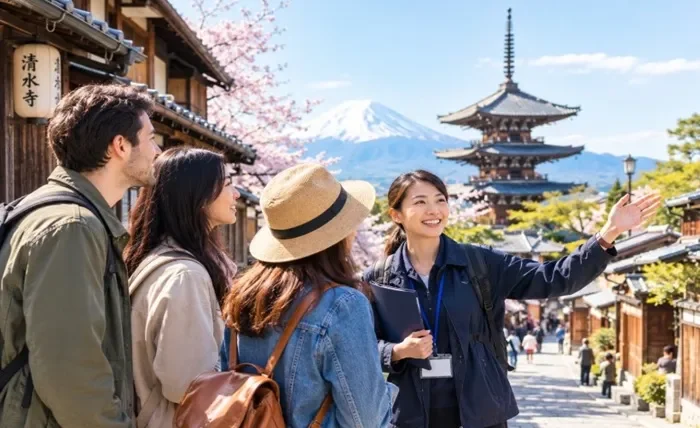
Planning a seamless trip across the Japanese archipelago requires more than selecting a handful of popular landmarks. Coordinating bullet train schedules, navigating dense transit hubs, securing seasonal accommodations, and understanding local etiquette all dictate how efficiently an itinerary unfolds. With deliberate preparation and an understanding of regional transit options, visitors can balance major highlights with authentic, unhurried cultural exploration.
The “Golden Route” and Beyond: Regional Snapshot
For first-time and returning visitors, understanding the core characteristics of each major region helps prevent over-scheduling and unnecessary transit fatigue:
| Destination | Primary Appeal | Highlight Experiences | Recommended Stay |
| Tokyo | Modern metropolis, pop culture, fine dining | Shibuya Crossing, Akihabara electronics, Tsukiji Outer Market | 4–5 Days |
| Kyoto | Traditional architecture, imperial history, gardens | Fushimi Inari-Taisha, Kinkaku-ji, Gion historic district | 3–4 Days |
| Osaka | Street food culture, nightlife, entertainment | Dotonbori district, Osaka Castle, Shinsekai | 1–2 Days |
| Hakone / Mt. Fuji | Scenic nature, volcanic hot springs (onsen) | Lake Ashi cruise, open-air museums, traditional ryokan | 1–2 Days |
| Hokkaido | Alpine wilderness, seasonal flowers, winter sports | Niseko ski resorts, Furano lavender fields, Daisetsuzan | 3–5 Days |
Exploring Japan Through Regional Food Traditions
Cuisine serves as one of the most direct avenues for understanding Japan’s distinct regional cultures. While sushi, ramen, and tempura are globally recognized, Japanese dining traditions emphasize hyper-seasonal ingredients and hyper-local preparation styles.
Tokyo’s Diverse Culinary Spectrum
Tokyo stands as one of the world’s premier dining capitals, offering options that span casual basement ramen counters to multi-course Michelin-starred establishments. Specialty districts cater to specific dining styles, from yakitori stalls tucked beneath train tracks in Yurakucho to historic sushi counters near the waterfront.
Kyoto’s Traditional Kaiseki
In Kyoto, dining is deeply rooted in kaiseki-ryori—a ceremonial, multi-course dining tradition emphasizing aesthetic harmony, precise knife work, and delicate seasonal flavors. Courses feature locally harvested Kyoto vegetables (Kyo-yasai), subtle dashi broths, and artistic ceramic plating that mirrors the natural season outside.
Osaka’s Street-Food Culture
Often colloquially described as the “kitchen of Japan” (tenka no daidokoro), Osaka offers a vibrant, casual contrast to Kyoto’s formal culinary scene. The city is renowned for hearty, social comfort food, including freshly grilled takoyaki (savory octopus balls) and customized okonomiyaki (cabbage and pork savory pancakes) prepared directly on tabletop griddles.
Mastering Domestic Transit and Rail Logistics
Japan maintains one of the world’s most punctual and comprehensive rail networks, but efficient travel requires strategic routing:
-
Shinkansen (Bullet Trains): High-speed Tokaido-Sanyo lines connect Tokyo, Kyoto, and Osaka in mere hours. Travelers should verify whether individual point-to-point tickets or regional rail passes offer better value, particularly following nationwide pass price restructuring.
-
Urban Transit and IC Cards: Within metropolitan centers like Tokyo and Osaka, rechargeable contactless cards (such as Suica, Pasmo, or Icoca) streamline transfers across independent private rail lines, subways, and municipal bus networks without requiring paper tickets for each gate.
-
Station Navigation: Major terminals such as Shinjuku, Tokyo, and Kyoto stations function as sprawling underground complexes. Allocating an extra 15 to 20 minutes for platform transfers during peak commuter hours helps prevent missed connections.
Historic Architecture and Cultural Landmarks
Historic preservation across Japan allows visitors to observe construction methods and military architecture spanning centuries:
Preserved Feudal Fortresses: Himeji Castle
Known as the “White Heron Castle” due to its brilliant white plastered exterior, Himeji Castle represents the finest surviving example of early 17th-century Japanese castle architecture. Its multi-tiered defensive layout, stone ramparts, and intricate gate mazes illustrate feudal defense strategies without the modern reconstructions found in other major cities.
Memorials and Reflection: Hiroshima Peace Memorial
The Hiroshima Peace Memorial (Genbaku Dome) stands as a somber, powerful testament to the destructive reality of warfare and the enduring pursuit of international peace. The surrounding Peace Memorial Park and Museum provide comprehensive historical archives and personal survivor testimonies, requiring visitors to observe quiet, respectful decorum throughout the grounds.
Natural Landscapes: Mount Fuji and Hokkaido
Beyond high-density urban corridors, Japan’s volcanic geography provides diverse outdoor activities across four distinct seasons:
-
The Fuji Five Lakes: Travelers seeking views of Mount Fuji frequently base themselves around Lake Kawaguchiko or Hakone. Those planning to summit the iconic peak must reserve mountain hut accommodations well in advance and plan specifically within the designated summer climbing window (typically early July through early September).
-
The Wilderness of Hokkaido: Japan’s northernmost main island offers expansive national parks suited for hiking, wildlife photography, and cycling from June to August. In winter, moisture-laden Siberian weather patterns turn the island into a world-class destination for powder skiing and backcountry winter sports.
Practical Etiquette and Travel Considerations
-
Cash Remains Essential: While card acceptance and mobile payments have grown rapidly in department stores and chain hotels, smaller shrines, neighborhood eateries, rural buses, and coin lockers still require Japanese Yen in physical cash.
-
Footwear Protocols: Be prepared to remove shoes frequently when entering traditional accommodations (ryokan), temple halls, historic castles, and specific traditional restaurants. Wearing clean, easily removable footwear is recommended.
-
Luggage Forwarding (Takuhaibin): To avoid maneuvering oversized suitcases through crowded train cars and narrow subway turnstiles, use nationwide luggage forwarding services to send primary bags directly between hotels overnight.
The Practical Takeaway
A successful journey across Japan balances energetic exploration of modern metropolitan centers with adequate time for historic preservation sites and natural landscapes. By mapping transit routes in advance, selecting a realistic pace along the Golden Route, and honoring local customs, travelers can immerse themselves fully in the rich cultural tapestry of Japan.