
Flying across Canada takes approximately five hours. You board, settle into your seat, nap, and arrive at your destination across the continent. In contrast, the transcontinental passenger train takes four nights and four days on paper, which can make rail travel seem like an inefficient use of time. Yet thousands of travelers deliberately board the transcontinental rails every year and return with stories of an unforgettable expedition.
Determining which mode of travel is superior depends entirely on your travel philosophy, overall budget, and whether transit is merely a logistical obstacle or the centerpiece of your vacation.
Direct Comparison: Transcontinental Flight vs. VIA Rail
| Factor | Commercial Transcontinental Flight | VIA Rail (The Canadian) |
| Travel Duration | 5 to 6 hours nonstop | 4 nights, 4 days (~96+ hours) |
| Typical Cost Range | $150 – $450 USD (Economy one-way) | $380 – $4,500+ USD (Economy to Prestige) |
| Scenic Visibility | Cloud cover and high-altitude bird’s-eye views | Ground-level panoramas of five distinct provinces |
| Schedule Reliability | Generally punctual; weather delays occur | Subject to delays due to commercial freight track priority |
| Environmental Impact | High per-passenger carbon footprint | Substantially lower greenhouse gas emissions per passenger |
| Dining Experience | Pre-packaged airline snacks or buy-on-board meals | Multi-course meals prepared fresh by onboard chefs |
When Flying Is the Practical Choice
Commercial aviation wins decisively when the objective is sheer speed and point-to-point convenience:
-
Time Limitations: If you are traveling for a business commitment, attending a family gathering, or working within a standard one-week annual leave, an airplane is the only realistic way to cross five time zones quickly.
-
Straightforward Budgeting: A direct flight between Toronto Pearson (YYZ) and Vancouver (YVR) often costs significantly less than a private rail berth when factoring in meals and accommodation nights saved.
-
Fixed Schedules: Airlines run multiple flights daily across major Canadian hubs, making rescheduling or rerouting easier if complications arise.
For time-sensitive itineraries, flying treats travel as a means to an end, efficiently skipping the 4,400-kilometer overland expanse in between.
What the Overland Train Journey Delivers
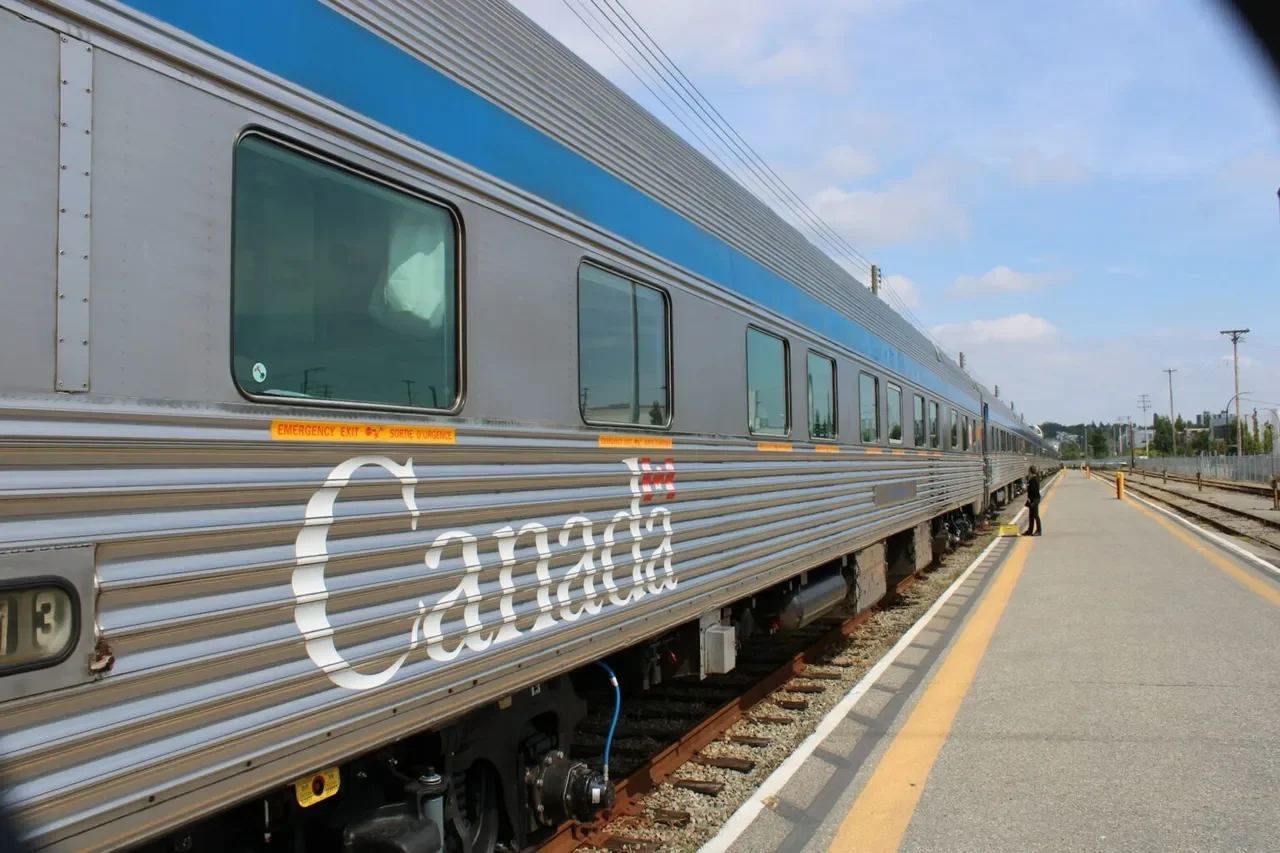
VIA Rail’s flagship service, The Canadian, operates between Vancouver’s Pacific Central Station and Toronto’s Union Station, covering 4,466 kilometers (2,775 miles) across British Columbia, Alberta, Saskatchewan, Manitoba, and Ontario.
Moving overland transforms the journey into a scenic survey of North American geography:
-
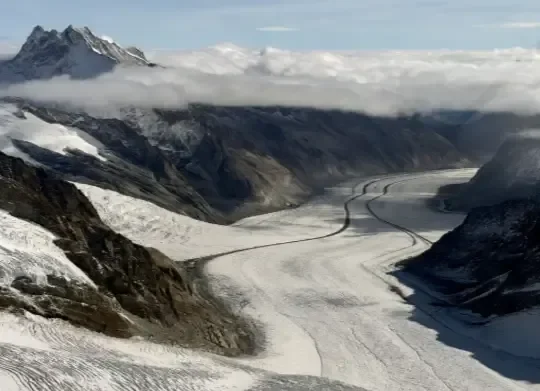
The Dramatic Shift in Landscapes: Passengers watch coastal rainforests give way to the snow-dusted peaks of the Canadian Rockies around Jasper, followed by the vast horizons of the Prairie provinces and the ancient granitic outcrops and boreal forests of the Canadian Shield.
-
Onboard Social Environment: Dedicated dome cars with wrap-around glass ceilings offer 360-degree views of the wilderness. Because passengers share tables in the dining car and gather in the lounge, the journey fosters a social atmosphere rarely found in commercial air travel.
-
Understanding Physical Scale: Flying high above the clouds obscures the sheer magnitude of the continent. Moving across the tracks at ground level offers a tangible appreciation for the distances early pioneers and rail builders traversed.
VIA Rail Service Classes and Budgeting
Ticket fares for The Canadian vary substantially depending on the tier of service selected:
1. Economy Class
-
Price Baseline: Typically starts around $514 CAD (~$380 USD).
-
The Setup: Provides a wide, reclining coach seat with ample legroom. Showers and private sleeping berths are not included, and meals must be purchased individually from the cafe car.
-
Best For: Budget backpackers and travelers accustomed to long-haul endurance journeys.
2. Sleeper Plus Class
-
Price Baseline: Typically starts around $1,083 CAD (~$800 USD) for an open upper/lower berth, scaling higher for private cabins.
-
The Setup: Includes private room options (Cabin for One or Cabin for Two) with fold-down beds and private washroom facilities. Crucially, all freshly prepared hot meals in the formal dining car and access to shower facilities are included in the ticket price.
-
Best For: Couples, solo adventurers, and leisure travelers seeking comfort and full dome-car privileges.
3. Prestige Class
-
Price Baseline: Starts around $6,040 CAD (~$4,500 USD).
-
The Setup: The premier luxury experience featuring a spacious stateroom, double bed, private en-suite bathroom with shower, personalized concierge service, complimentary alcoholic beverages, and reserved seating in the panoramic Park Car.
-
Best For: Luxury rail enthusiasts and once-in-a-lifetime anniversary trips.
Essential Logistical Realities to Anticipate
Before choosing the rail option, travelers should account for specific operational realities:
-
Freight Track Priority: In Canada, passenger trains operate primarily on tracks owned by commercial freight rail companies (such as CN). When tracks bottleneck, passenger trains often pull onto sidings to allow long freight trains to pass, leading to delays ranging from a few hours to half a day.
-
Buffer Days Are Mandatory: Never schedule an international flight connection, cruise departure, or non-refundable hotel reservation on the exact day The Canadian is scheduled to arrive. Always book at least one full buffer day in Vancouver or Toronto.
-
Direction of Travel: While both eastbound and westbound routes traverse the identical track line, daylight hours through the Canadian Rockies can vary depending on the season and schedule punctuality.
The Editorial Verdict
The choice between train and plane is not about which mode is fundamentally superior, but about the purpose of your trip.
Choose flying if efficiency, minimal time off work, and low transit costs are your primary objectives. Choose the train if you view transportation as the destination itself, value unhurried reflection, and wish to witness the changing geological heart of Canada unfold in real time.
Many experienced travelers opt for a balanced hybrid approach: taking the leisurely four-day train in one direction to experience the scenery, and booking a swift five-hour flight for the return trip.