
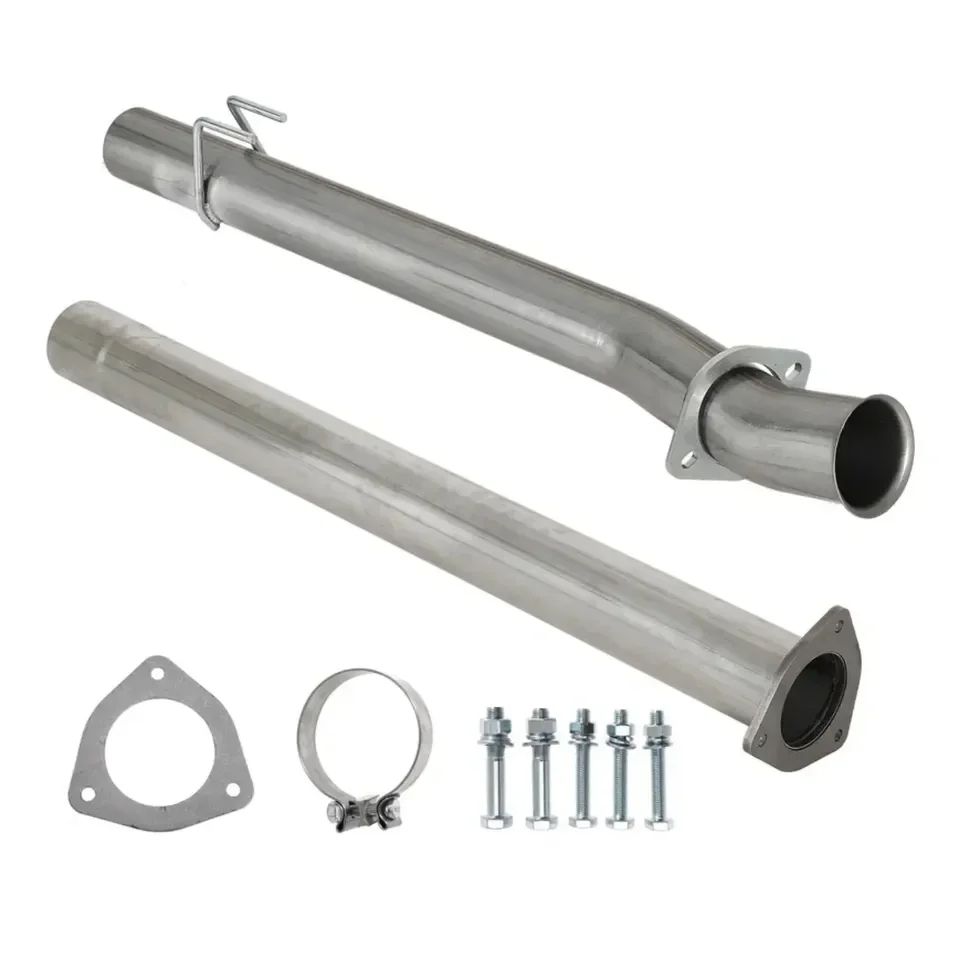
 Picking aftermarket parts for a diesel truck takes real research, especially if the truck tows heavy loads or racks up highway miles. Exhaust layout, emissions equipment and crankcase ventilation all affect what you can safely buy. Before you commit to a 4-Inch Exhaust EGR DPF CCV Delete Kit for 6.7 Powerstroke, check vehicle compatibility, component quality, installation demands and the emissions rules that apply to you.
The 6.7 Powerstroke is the diesel engine in Ford Super Duty trucks. Fuel delivery, turbocharging, exhaust management, cooling and electronic controls all work together, so one part rarely stands alone. Ford has changed configurations across model years, and production year, emissions setup and factory equipment can all decide whether a part fits. Don’t assume a kit fits every engine. Start with the vehicle identification details and the manufacturer’s fitment documents.
A four-inch exhaust refers to the nominal diameter of the tubing. Whether it suits your truck depends on the whole system, how you use the vehicle, the material quality and how it connects to existing parts. Larger diameter alone doesn’t guarantee better fuel economy, more horsepower or stronger towing. Results depend on the engine setup and the truck’s overall condition.
The three emissions systems do different jobs. EGR recirculates a controlled amount of exhaust gas to manage nitrogen oxide emissions. The DPF traps particulate matter and burns off the soot during regeneration. The CCV system handles gases that build up in the crankcase.
All three matter for emissions compliance. A product that changes or removes emissions equipment can affect inspection eligibility, registration, warranty coverage and local legal compliance. For a truck driven on public roads, keeping the original systems or choosing compliant replacements is generally the right call.
Compatibility should come first when you compare parts. Products sold for the same engine family can still differ in model years, exhaust connections, mounting and electronic requirements, and a mismatch means installation trouble and unplanned costs. Read the full product description and confirm the exact application with the manufacturer. Ask whether your truck’s configuration is covered and whether extra parts are needed for a lawful, compatible install. Clear documentation tells you far more than broad marketing claims.
Materials matter because exhaust parts face heat, vibration, moisture and road debris. Stainless steel and other exhaust-grade metals resist corrosion to different degrees depending on composition and build. Look at weld quality, flange precision, tubing consistency and the hardware included. Ask for detailed specifications instead of relying on photos, and treat customer reviews as a supplement to technical documentation, not proof of fit or performance.
Exhaust work can mean tight spaces, heavy components and very hot surfaces. Decide beforehand how much labor is involved and whether you need a qualified technician. A professional check can also catch existing faults or maintenance issues that should be handled first. Afterward, inspect exhaust connections, ventilation parts and sensors regularly, follow the manufacturer’s service recommendations, and use parts suited to the truck’s original, legal configuration.
Price is only part of the cost. Count shipping, installation labor, included hardware, warranty limits and technical support. A cheaper kit turns into poor value if the documentation is thin or replacement parts are hard to find. Check the return policy, ask specific fitment questions and get answers in writing. Modifying emissions-related equipment may also affect manufacturer or component warranties.
In short, a sound purchase balances durability, compatibility, cost and regulatory compliance. Be cautious about claims of power gains or better efficiency unless credible evidence backs them for your exact configuration. This product category deserves extra attention to emissions regulations because it covers changes to several engine and exhaust systems, so for public-road vehicles, choose compliant exhaust and ventilation components that keep required emissions controls in place.